Strategic Planning Dashboard: 722540384, 722588620, 722907296, 722937796, 725761281, 726111755

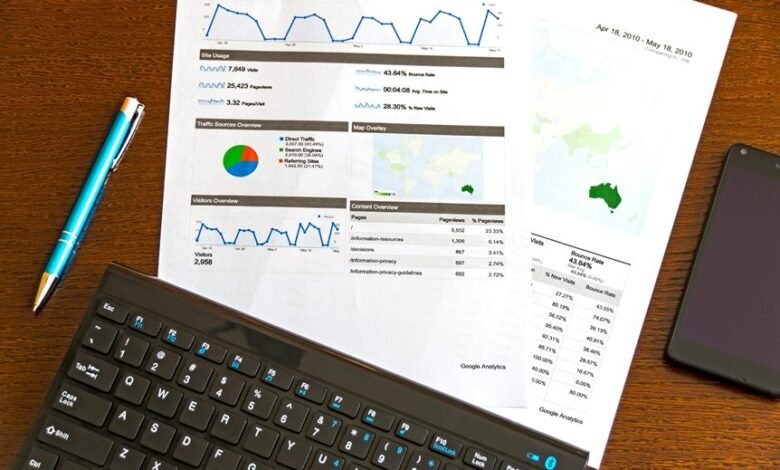
The Strategic Planning Dashboard models 722540384, 722588620, 722907296, 722937796, 725761281, and 726111755 present a compelling case for enhancing organizational efficiency. Their ability to visualize complex data simplifies performance monitoring. This fosters informed decision-making and promotes agility in strategy adjustments. However, understanding the specific benefits and features of each model is crucial. What best practices can be employed to maximize their potential?
Benefits of Implementing Strategic Planning Dashboards
Implementing strategic planning dashboards offers numerous advantages that can significantly enhance organizational effectiveness.
These dashboards facilitate data visualization, enabling teams to interpret complex information effortlessly. Furthermore, they streamline performance tracking, providing real-time insights into progress and outcomes.
Key Features of the Identified Dashboards
While many organizations recognize the importance of strategic planning dashboards, the key features that distinguish effective dashboards are critical for maximizing their utility.
Essential elements include intuitive data visualization that enhances comprehension and engagement, along with robust performance metrics that enable timely decision-making.
These features empower organizations to monitor progress, identify trends, and adapt strategies, ultimately fostering a culture of informed freedom and agility.
Best Practices for Utilizing Dashboards Effectively
Effective utilization of dashboards requires adherence to best practices that enhance their functionality and impact.
Prioritizing dashboard customization allows users to tailor data visualization to their specific needs, ensuring relevant insights are highlighted.
Regularly updating metrics and encouraging stakeholder engagement fosters a culture of data-driven decision-making.
Ultimately, these practices empower organizations to leverage dashboards as strategic tools for achieving their goals.
Conclusion
In the realm of strategic navigation, the dashboards serve as a lighthouse guiding organizations through the fog of data. By illuminating key performance metrics and trends, they empower teams to adjust their sails in response to shifting winds. Embracing these tools fosters a culture of informed decision-making, ensuring that organizations can chart a course toward success with agility and confidence. Thus, the strategic planning dashboards not only enhance visibility but also inspire proactive journeys into the future.